 Book Now
June 15, 2026
TMJ/TMD Is More Than Just Jaw Pain:
Evergreen’s Collaborative TMJ Care Pathway
What is TMJ/TMD?
The temporomandibular joint (TMJ) is one of the most complex joints in the body.
Every day it works alongside dozens of muscles in the face, head, neck, tongue, and shoulders to help you chew, speak, swallow, breathe, and express emotion.
When this joint or the surrounding muscles become irritated, strained or dysfunctional, it is often referred to as temporomandibular dysfunction (TMD)
Common symptoms include:
- Jaw pain or tenderness
- Clicking or popping
- Teeth clenching or grinding
- Headaches and migraines
- Jaw pain or tenderness
- Clicking or popping
- Teeth clenching or grinding
- Headaches and migraines
- Facial tension
- Ear fullness or ringing
- Neck and shoulder pain
- Difficulty opening the mouth comfortably

While many people focus solely on the jaw itself, TMJ dysfunction is often influenced by multiple factors happening throughout the body.
at evergreen, we look at the whole picture
Why Treating the Jaw Alone Isn't Enough
The jaw is connected to the neck, nervous system, breathing patterns, posture and overall health.
For many people, symptoms return because only the jaw is being treated while the contributing factors remain unchanged.
If the root cause isn't addressed, symptoms often return.
That's why effective TMJ treatment often requires a whole-body approach.
The Nervous System Connection
Your nervous system plays a powerful role in how your body responds to stress.
When you're constantly rushing, carrying mental load, caring for others, struggling with sleep, navigating hormonal changes, or feeling overwhelmed, your body can remain in a heightened state of alertness.
One common response?
Clenching.
The jaw is often one of the first places we hold stress.
Many women are clenching during the day without realizing it. Others are grinding or clenching throughout the night while they sleep.
Over time, this repetitive muscle tension can overload the jaw joint, create muscle imbalances, contribute to headaches, and perpetuate a cycle of pain.
The challenge is that simply treating the jaw muscles alone may provide temporary relief if the underlying stress response remains unchanged.
That is why we believe TMJ care must go beyond the jaw itself.

Hormones, Sleep, and Why Women Experience TMJ Differently
For many women, hormones are another important piece of the puzzle.
We commonly see increased jaw tension during:
- PMS
- Menstrual cycle fluctuations
- Perimenopause
- Menopause
- Periods of poor sleep
When hormones fluctuate, inflammation, pain sensitivity, sleep quality, and stress resilience can all be affected.
Many women in perimenopause and menopause report:
- Increased clenching
- More frequent headaches
- Poor sleep
- Elevated stress levels
- Increased muscle tension
Similarly, women living with hormonal conditions such as PCOS/PMOS often experience fluctuations that can influence pain, inflammation, stress, and overall nervous system regulation.
When the body is under more stress, the jaw often feels it.
Posture, Strength & Breathing Matter Too
TMJ dysfunction is not only influenced by stress and hormones.
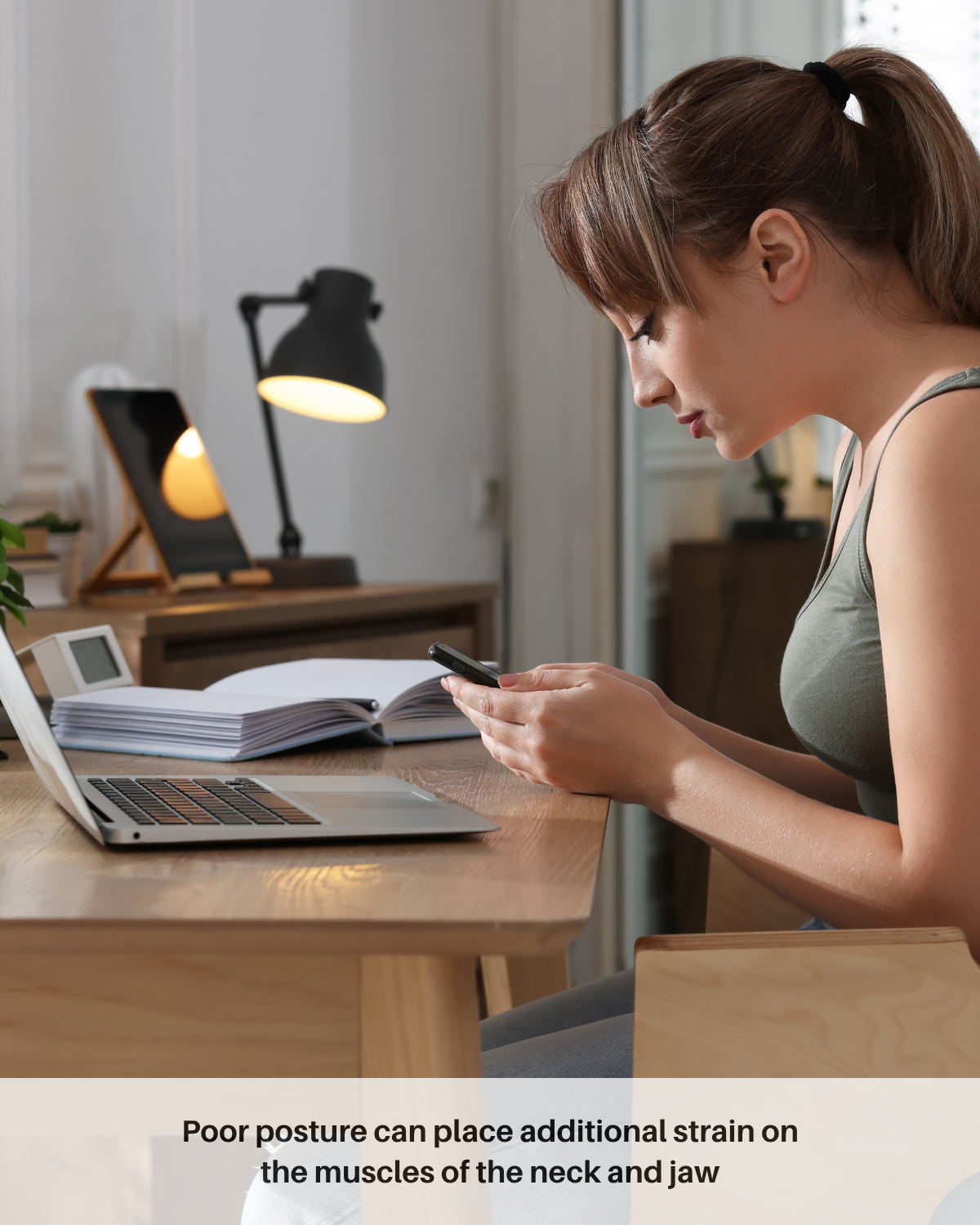
How we breathe, move, sit, and hold ourselves throughout the day can also affect the jaw.
Poor posture can place additional strain on the muscles of the neck and jaw.
Weakness through the upper back, shoulders, and core can contribute to compensation patterns that increase tension throughout the head and neck.
Even breathing mechanics can influence jaw tension. Many people who breathe through their mouth, hold their breath during stressful moments, or rely on shallow chest breathing may unknowingly contribute to ongoing jaw discomfort.
This is why strengthening, movement retraining, and breathing strategies are often important parts of long-term recovery.
Our TMJ Signature Pathway
A Collaborative Approach
At Evergreen Wellness Studio, we don't believe TMJ dysfunction should be treated in isolation.
We believe lasting change happens when we support the entire system.
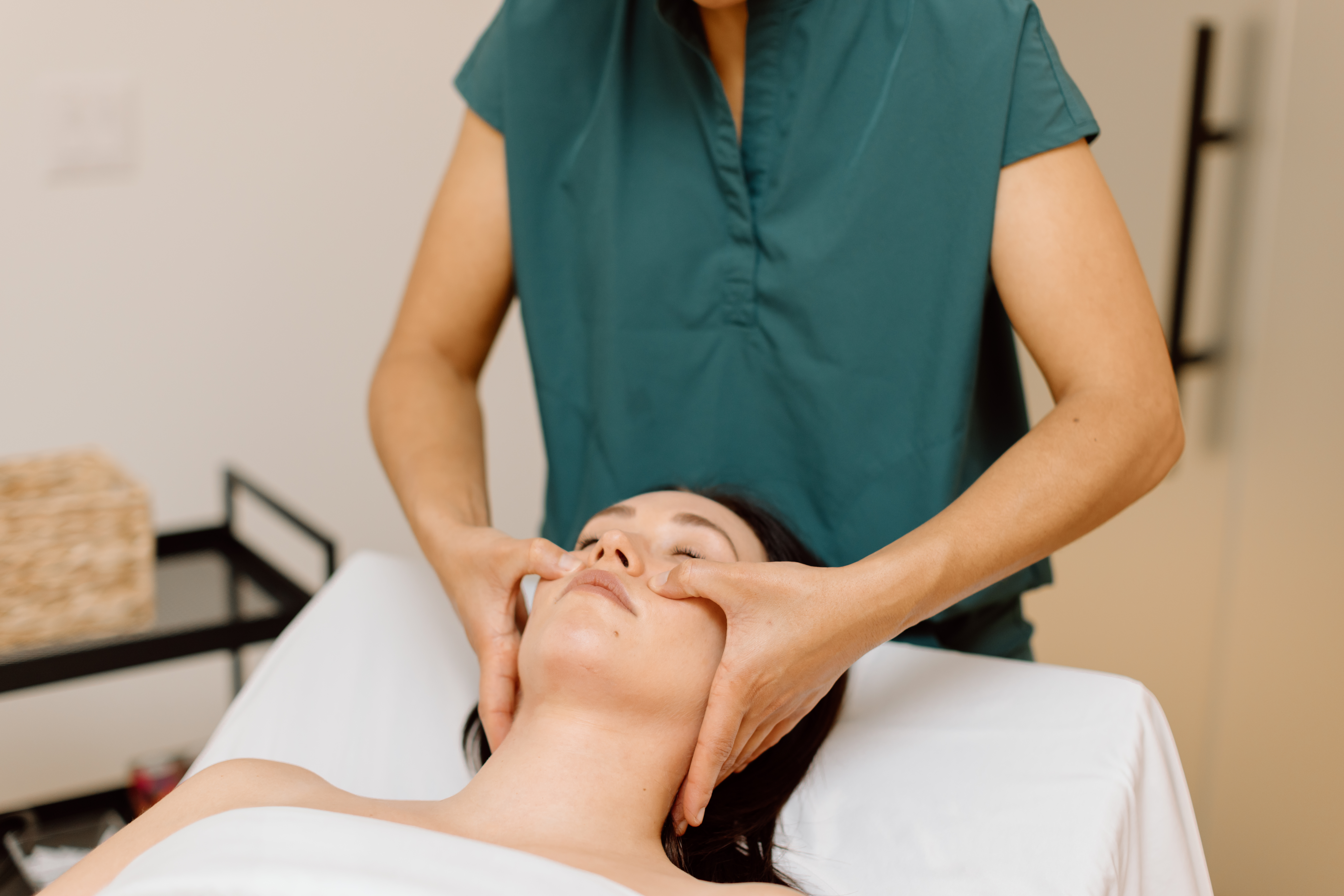
TMJ-Focused Massage Therapy
TMJ treatment begins with a thorough assessment of the jaw, head, neck, posture, breathing patterns, and contributing habits.
Treatment may include:
- Jaw and facial muscle release
- Intraoral treatment (when appropriate)
- Neck and shoulder treatment
- Nervous system regulation strategies
- Home care and self-management tools
The goal is not simply to reduce symptoms, but to understand why the symptoms developed in the first place
Chiropractic Care & Strength Rehabilitation
Dr. Brittlyn works with patients to improve mobility, reduce strain and build strength through individualized rehabilitation programs.
Treatment may include:
- Cervical and thoracic spine care
- Postural assessment
- Breathing mechanics
- Strength rehabilitation programming
- Movement retraining
Her one-on-one Strength Rehabilitation Program helps address the underlying postural and strength deficits that may be contributing to ongoing tension and dysfunction.
Hormonal & Whole-Body Support with Dr. Sarah Correa, ND
Dr. Sarah helps identify factors that may be affecting stress levels, sleep quality, inflammation, and hormonal balance.
Support may include:
• Hormonal health assessment
• Perimenopause and menopause support
• PCOS/PMOS support
• Acupuncture
• Lifestyle and nutritional strategies
When sleep improves and the body becomes more resilient to stress, many women notice improvements in their jaw symptoms as well
Mental Health Support & Nervous System Regulation
When we experience chronic stress, anxiety, burnout or emotional overwhelm, the nervous system can remain in a heightened state of alertness. One common response is increased muscle tension - especially in the jaw, neck and shoulders.
Over time, these patterns can contribute to headaches, facial tension and ongoing jaw discomfort.
At Evergreen, our psychotherapy team helps individuals better understand their stress patterns, develop coping strategies and build tools for nervous system regulation
When the body becomes more resilient to stress, many people notice improvements in tension, sleep quality and overall wellbeing
You Don't Have to Live With Jaw Pain
Many women spend years believing jaw tension, headaches, facial pain and clenching are simply part of life.
But they don't have to be.
TMJ dysfunction is rarely caused by a single factor, which means lasting relief often requires a more comprehensive approach.
By addressing the jaw, nervous system, posture, strength, breathing patterns, sleep and hormonal health together, we can help create meaningful and sustainable change.
Because your jaw is connected to far more than your mouth.
It's connected to your entire system.
And that's exactly how we treat it.
ready to learn more?
Our TMJ Signature Pathway was designed to help uncover the root causes of jaw pain and connect you with the right practitioners for support.